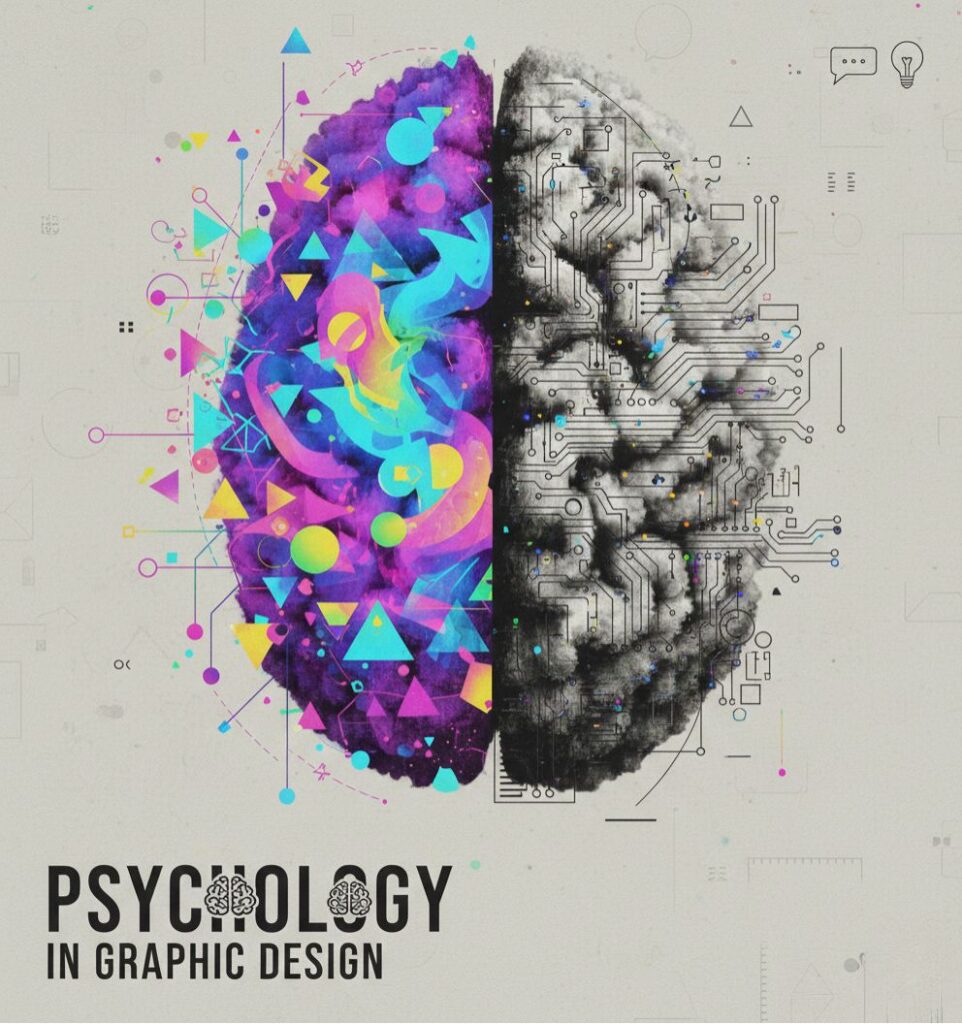
raphic design is deeply connected to human psychology. Every color, shape, and visual arraGngement influences how people think and feel. Designers use psychological principles to guide emotions, attention, and decision-making. For example, warm colors can create excitement, while cooler tones communicate calmness and trust. Visual hierarchy directs where the viewer looks first, helping deliver messages effectively. Understanding psychology allows designers to create visuals that not only attract attention but also shape perception and behavior.
sustainable and ethical graphic design
Modern design is increasingly focused on responsibility. Sustainable graphic design considers environmental impact, material usage, and ethical messaging. Designers today aim to reduce waste in print production, use eco-friendly packaging visuals, and promote social awareness through their work. Ethical design also involves truthful communication and inclusive representation. This topic highlights how graphic design can contribute positively to society while maintaining creative excellence.
data visualization and infographic design
In an information-heavy world, visual storytelling through data has become essential. Data visualization transforms complex statistics into clear, engaging visuals that are easy to understand. Infographics combine typography, icons, charts, and layout to communicate insights quickly. This area of graphic design bridges creativity with analytical thinking, helping businesses, educators, and media organizations present information in a visually compelling way.
emotional branding through design
Successful brands connect emotionally with their audience, and graphic design plays a key role in building that connection. Emotional branding focuses on creating visuals that evoke trust, excitement, nostalgia, or inspiration. Through consistent color schemes, typography, and imagery, designers craft a visual language that represents brand personality. This approach strengthens customer loyalty and builds long-term recognition.
cross platform visual adaptation
Today’s visuals must work across websites, mobile apps, social media, print, and digital ads. Cross-platform design ensures that graphics maintain clarity, consistency, and impact regardless of screen size or format. Designers must adapt layouts, typography, and imagery while preserving brand identity. This topic emphasizes flexibility, technical awareness, and strategic thinking in modern graphic design workflows.